Athersley North Primary School
Behaviour Scheme
Behaviour
At Athersley North Primary we promote a positive approach to academic achievement, effort, courtesy, behaviour and attitude.
Rewards
The Senior Leadership Team actively encourages staff members to send pupils to them to be praised for good behaviour, improved attitudes to learning, and outstanding achievement. Pupils who visit Senior Leaders will receive a praise sticker.
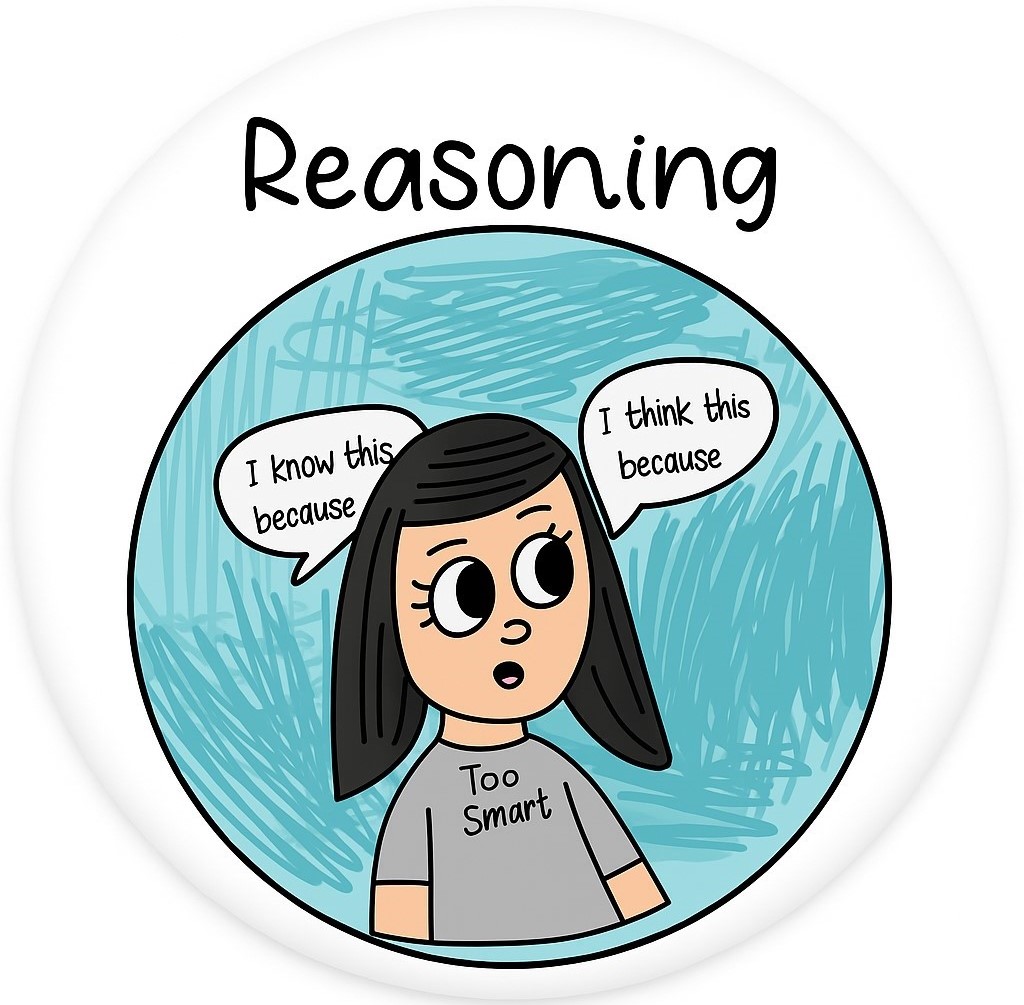
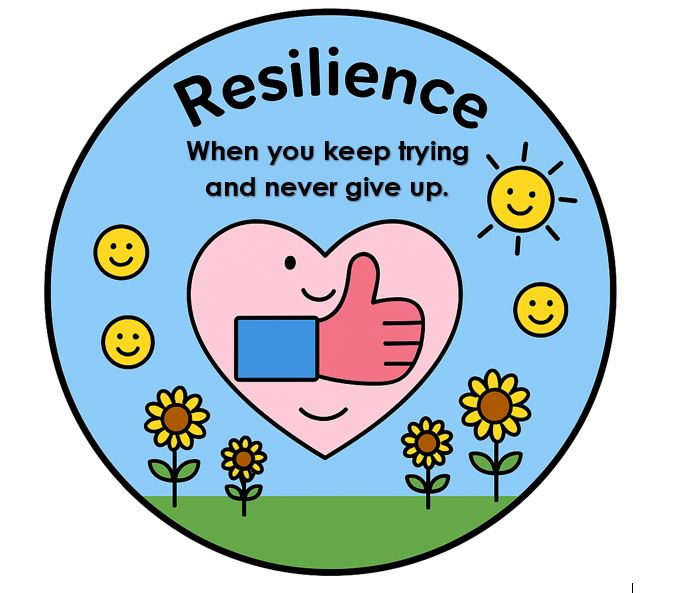
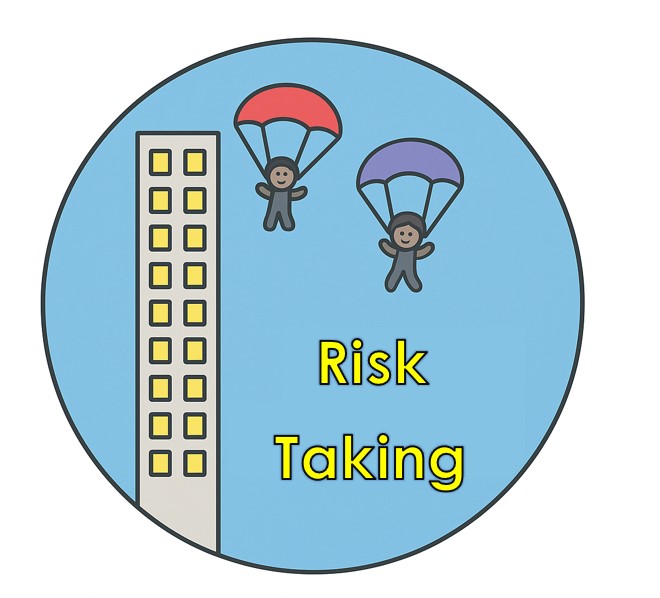
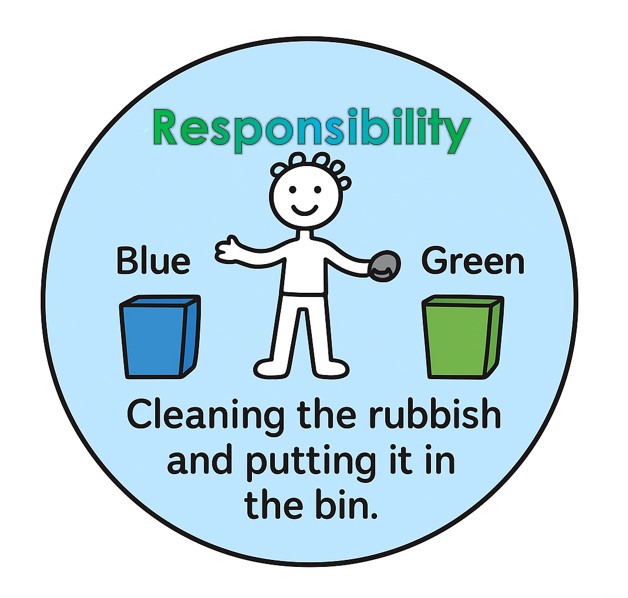
Athersley North Primary School is built on and driven by 5 core values, our 5 ‘Rs’, which develop personal qualities that pupils will need for future success. Our school is committed to enabling all of our learners to become Responsible, develop Resilience, take appropriate Risks and innovate, form effective Relationships and advance with key Reasoning skills.
We recognise that praise is key to making pupils feel valued and ensuring that their work and
efforts are celebrated. When giving praise, teachers will ensure:
• They define the behaviour that is being rewarded.
• The praise is given immediately following the desired behaviour.
• The way in which the praise is given is varied.
• Praise is related to effort, rather than only to work produced.
• Perseverance and independence are encouraged.
• Praise is only given when a pupil’s efforts, work or behaviour need to be recognised, rather than continuously without reason.
• The praise given is always sincere and is not followed with immediate criticism.
Whilst it is important to receive praise from teachers, the school understands that peer praise is also effective for creating a positive, fun and supportive environment. Teachers will encourage pupils to praise one another, and praise another pupil to the teacher, if they see them modelling good behaviour.
As with praise, the school understands that providing rewards after certain behaviour means that pupils are more likely to model the same behaviour again. For rewards to be effective, the school recognises that they need to be:
• Immediate – immediately rewarded following good behaviour.
• Consistent – consistently rewarded to maintain the behaviour.
• Achievable – keeping rewards achievable to maintain attention and motivation.
• Fair – making sure all pupils are fairly rewarded.
Rewards for good behaviour will include, but are not limited to:
• Verbal praise
• Dojo Reward
• Celebrating praise/success with other adults in school
• Communicating praise to parents
• Certificates, prize ceremonies and special assemblies (Athersley Awards)
• Positions of responsibility, e.g., Class Monitors
Managing Behaviour
Instances of unacceptable behaviour will be taken seriously and dealt with immediately. Staff will respond promptly, predictably and with confidence to maintain a calm, safe learning environment. Staff will consider afterwards how to prevent such behaviour from recurring. Staff will always try to ensure behaviour is dealt with in a calm and safe manner, following the school value
of ‘Praise in Public/ Reprimand in Private’, wherever possible.
Our behaviour management strategy is rooted in a relational approach, which prioritises the development of positive, respectful, and trusting relationships between staff and pupils. We believe that behaviour is best understood and supported through connection, empathy, and consistent communication. By fostering a nurturing environment where pupils feel valued and heard, we aim to address the underlying causes of behaviour and promote self-regulation,
accountability, and mutual respect. Staff are encouraged to model positive interactions, use restorative practices, and engage in proactive dialogue to build a strong sense of community and belonging within the school.
After an initial incident of negative behaviour, the following sanctions will be considered, with staff using their professional judgement and experience to determine what is appropriate and reasonable:
1. Reminder – Issuing a verbal reprimand and reminder of the expected behaviour.
2. Warning – Behaviour has continued to be unacceptable and a warning is issued.
3. Reflection – Moving the pupil to a different table or a quiet calm space within the
same room. Maximum of 5 minutes
4. Purple Pause – Take a 5-minute Behaviour Reboot
5. Time Out- It’s time for a time out. Pupil to be given a choice…
Either;
a) Pupil to go to an alternative class (ideally within their own Key Stage). Maximum of 5 minutes – regulated by a 5-minute sand timer.
b) Time out, at the fence, at playtime. Ranging between 2- 10 minutes with a maximum of 10 minutes. Allowing them some time to play to regulate their behaviour before entering the next lesson.